
Sustainable agriculture can be understood as an ecosystem approach to agriculture. Practices that can cause long-term damage to soil include excessive tilling of the soil (leading to erosion) and irrigation without adequate drainage (leading to salinisation). Long-term experiments have provided some of the best data on how various practices affect soil properties essential to sustainability.
The most important factors for an individual site are climate, soil, nutrients, and water. Of the four, water and soil quality and quantity are most amenable to human intervention through time and labor. When farmers grow and harvest crops, they remove some nutrients from the soil. Without replenishment, land suffers from nutrient depletion and becomes either unusable or suffers from reduced yields. Sustainable agriculture depends on replenishing the soil while minimizing the use or need of non-renewable resources, such as natural gas (used in converting atmospheric nitrogen into synthetic fertilizer), or mineral ores (e.g., phosphate).
Sustainable farming is a growing practice that is vital to the health and welfare of our planet. While modern industrial agriculture is highly productive and can produce a massive amount of plants within a harvest season, it also introduces many damaging and long-term problems that can only be solved through sustainable practices.

Land levelling is a process of flattening or modifying existing slopes or undulations rather than necessarily creating a level surface as the name may imply.
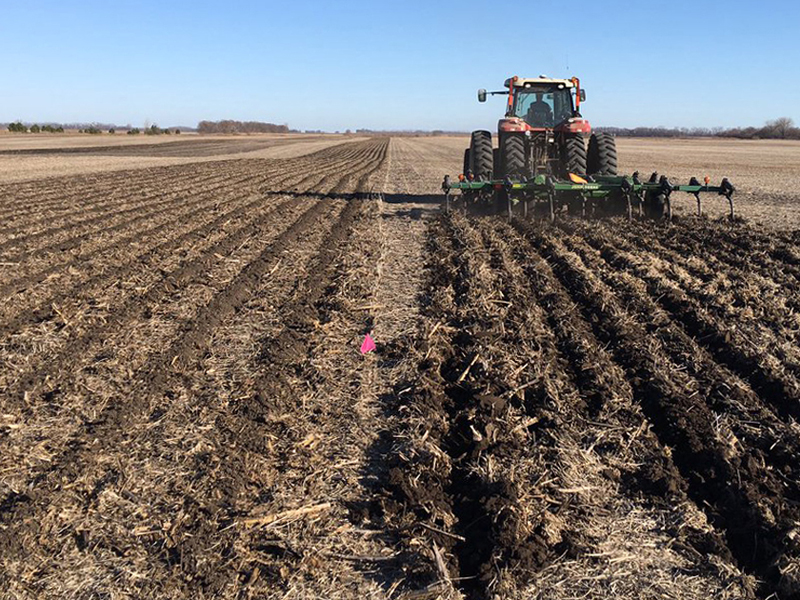
Conservation tillage is a practice of reducing soil disturbance and allowing crop residue or stubble to remain on the ground or to be incorporated into the soil. Conservation tillage is any tillage practice that retains enough of the previous crop residue, such that 30 percent of the soil is covered after planting

Description: Planting date management is a very important step and the optimal planting date would help achieve early fruit set, establish strong fruit retention, and make the most of the primary fruiting cycle. Achieving earliness in a cotton crop is also important for insect management considerations, and to minimize exposure of the primary fruiting cycle to the hot, humid monsoon weather which increases fruit loss and abortion.
Benefits: Selection of planting date has a profound impact on crop yield.
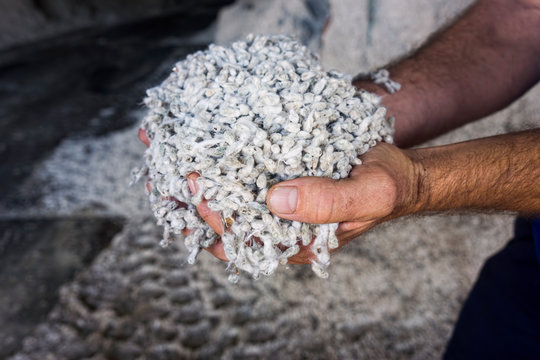
Description: Seed selection is a very important step in cultivation and crop varieties are developed to be more drought tolerant, resistant to water logging, tolerant to salinity, resistant to pests, etc.
Benefits: A suitable crop variety can impact the overall water footprint in multiple ways such as reducing transpiration without lowering the yield and stabilising the yield despite adverse conditions that can lead to reduction in crop yield.
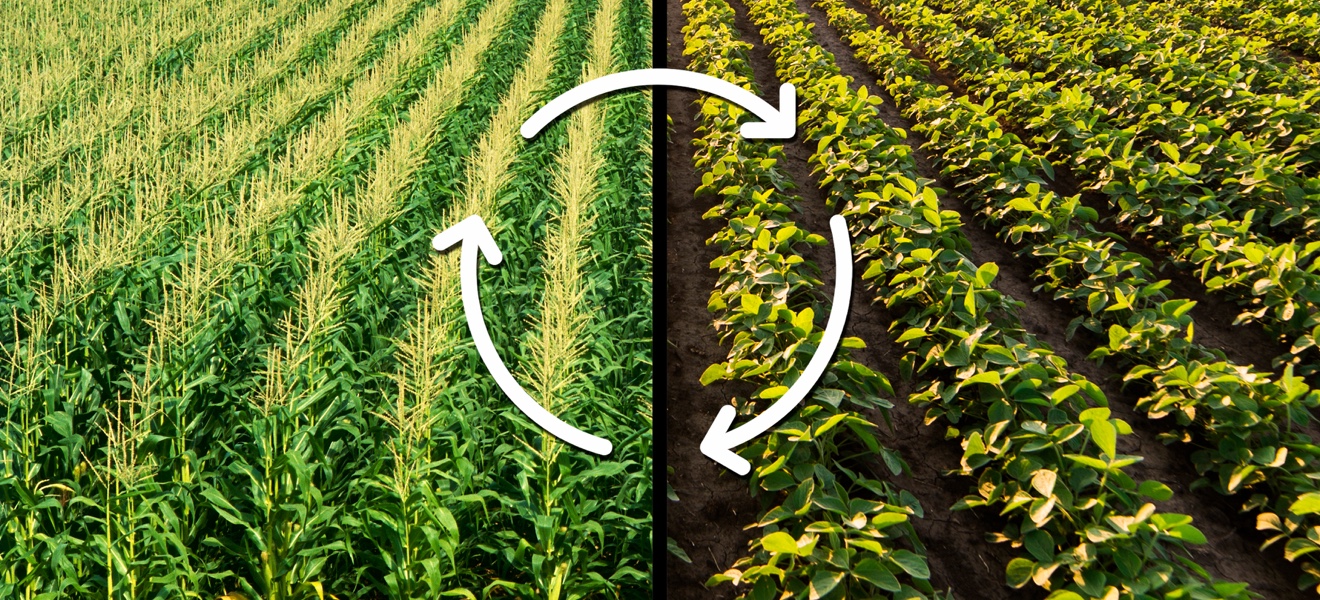
Description: Crop rotation is the practice of growing a series of dissimilar or different types of crops in the same area in sequenced seasons. As a general guidance an annual rotation of crops with different root systems is recommended.
Benefits: Crop rotation reduces soil erosion, increases soil fertility, helps pests control and improves crop yield. It is a good practice that can either reduce, or at least maintain the current level of the grey water footprint of crop production because of reduced application of pesticides.

Description: Intercropping is a practice of growing two or more crops simultaneously on the same piece of land. Types of intercropping are, in general: mixed intercropping, row intercropping, strip intercropping, and relay intercropping.
Benefits: As an alternative to monoculture, intercropping can improve soil moisture retention and reduce unproductive evaporation due to increased soil cover resulting in water footprint reduction. It provides crop residue (green manure) that can be incorporated into the soil to improve soil nutrients and build a favourable soil structure. It may reduce pesticide use due to suppressing weeds and controlling pests. If Nitrogen-fixing plants are used, less fertilisers will be needed.
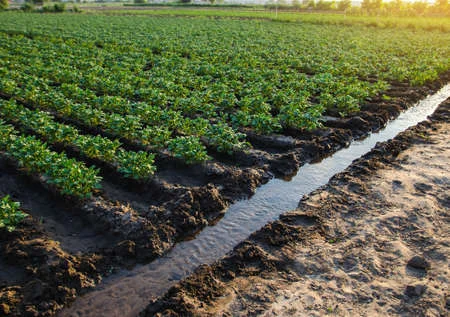

Fresh water is taken out of a river, lake or reservoir and transported through an open canal system to the farm field and applied as a sheet of water with the help of gravity to spread over the land. Losses of fresh water occur through evaporation, seepage and inefficient water management.
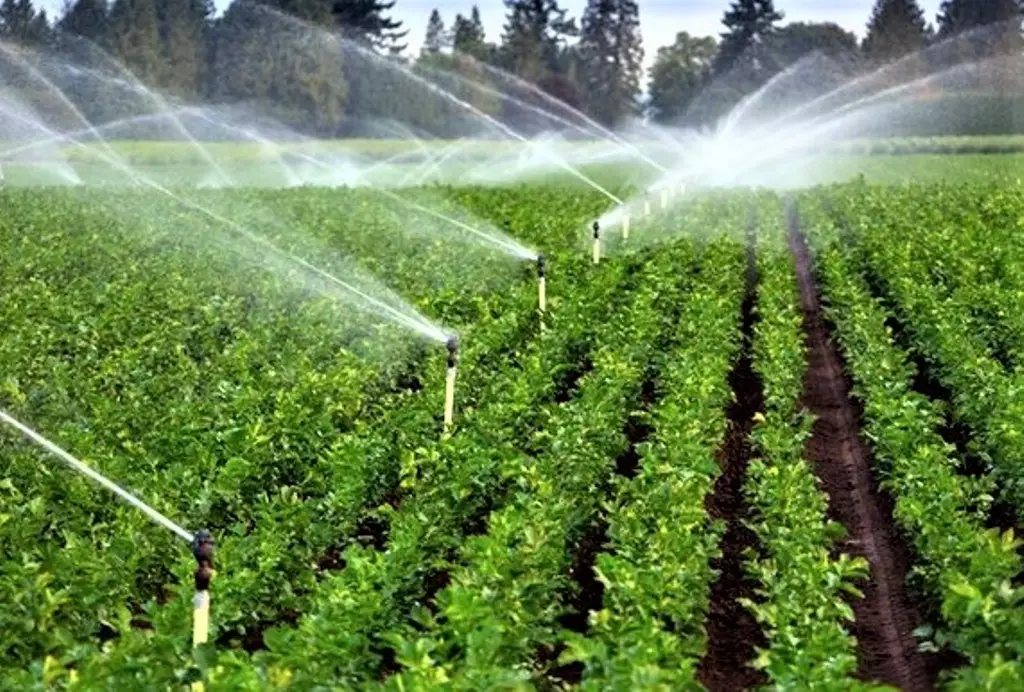

Sprinkler irrigation is a method of applying irrigation water that mimics natural rainfall. Water is distributed through a system of pipes usually by pumping. It is then sprayed into the air through sprinklers so that it breaks up into small water drops that fall to the ground.


Furrow irrigation is a type of surface irrigation in which water is released into the furrows, often using gravity, and it seeps vertically and horizontally to enrich the soil moisture. Alternate furrow irrigation results in a reduction of water application, without significantly affecting yield and tmore efficient water use.

Drip irrigation systems commonly use tubes that are placed on the soil surface next to the crop to apply irrigation water with high precision. Due to the application of water nearer to the root zone of the crop, the unproductive evaporation from the surrounding land is avoided.
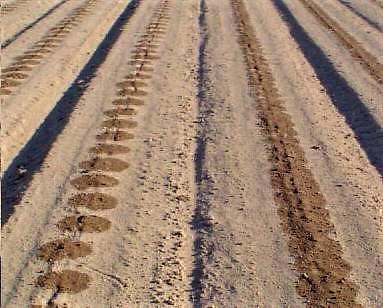
Subsurface drip irrigation is where a low- pressure, high efficiency irrigation system uses buried drip tubes or drip tape to meet crop water needs at the soil-root interface itself.
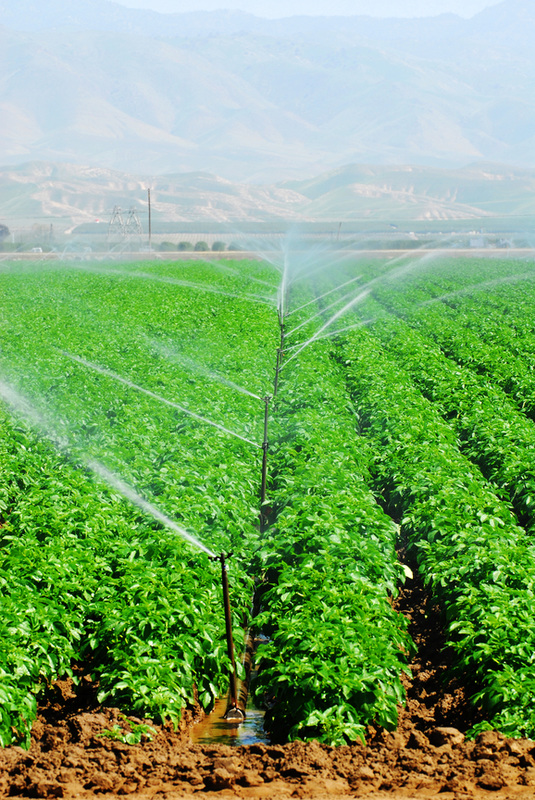
The simplest irrigation strategy is full irrigation, i.e., irrigate to meet the full evapotranspiration needs of the plant throughout the growing season. When insufficient water is available for irrigation, a farmer can either opt for a partial irrigation to all his crop lands, or irrigate only a portion of the farm field.
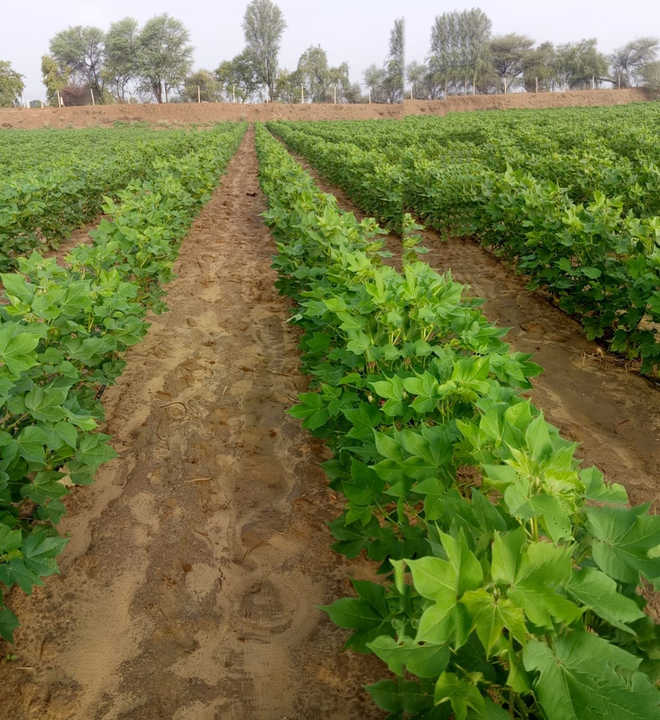
Supplemental irrigation is the application of water at critical growth stages where rainfall is not adequate to support the full plant growth. Provision of supplemental irrigation if the monsoon is delayed and at flowering and boll formation, can result in higher yields than the rainfed system.
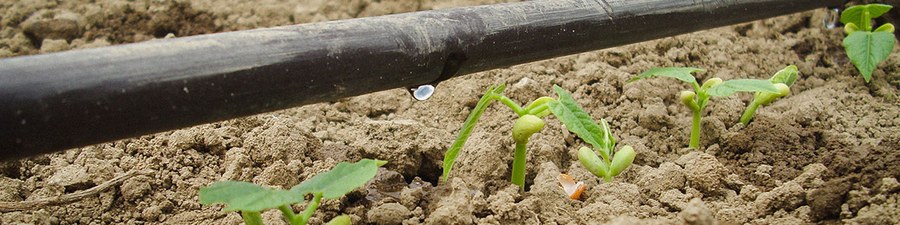
Deficit irrigation is the practice of applying less water than the full crop water requirements. Cotton can be grown under controlled water stress (deficit irrigation) without severe negative impacts on its yield and sometimes with an improvement in the quality of cotton fibre.
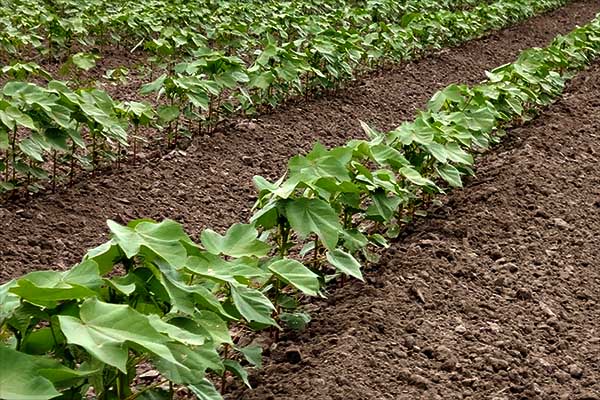
Mulching is the application of natural and/or synthetic material to cover the soil surface. Applying mulchduring the plant’s early growth stage provides more benefitsthan application at the late growth stage. Organic mulch is relatively low cost compared to synthetic mulch.

Nitrogen, Phosphorus, Potassium and other micro-nutrients must be available to plants during different growth stages to ensure optimal yields. These can come from synthetic or organic sources. Measuring soil fertility will avoid excessive or improper timing of application of nutrients.

Preserving and enhancing populations of beneficial organisms. Prevention of pest population build-up. Ensuring a healthy crop that can withstand some degree of damage. Regular monitoring of the crop for pests, beneficial insects and crop damage. Managing the crop to early maturity to reduce the length of time the crop is exposed to pests.
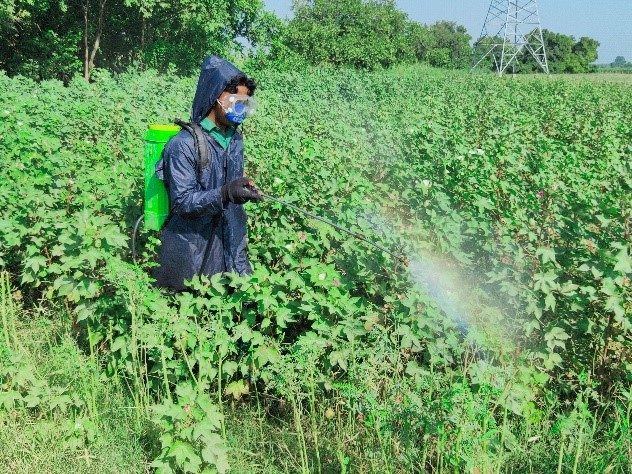
Choosing pesticides that have a lower toxicity, avoiding highly toxic substances and selecting pesticides that are effective against a number of different pests will minimise negative impacts from pesticide use. If there is an organic alternative, this should be used.